
Fillings and Sealants
Dental fillings and sealants help protect your teeth from decay, restore damaged areas, and prevent future cavities. Fillings repair existing issues, while sealants create a protective barrier on vulnerable surfaces, keeping smiles healthier, stronger, and easier to maintain with care.
Tooth Fillings and Sealants in Birmingham, AL
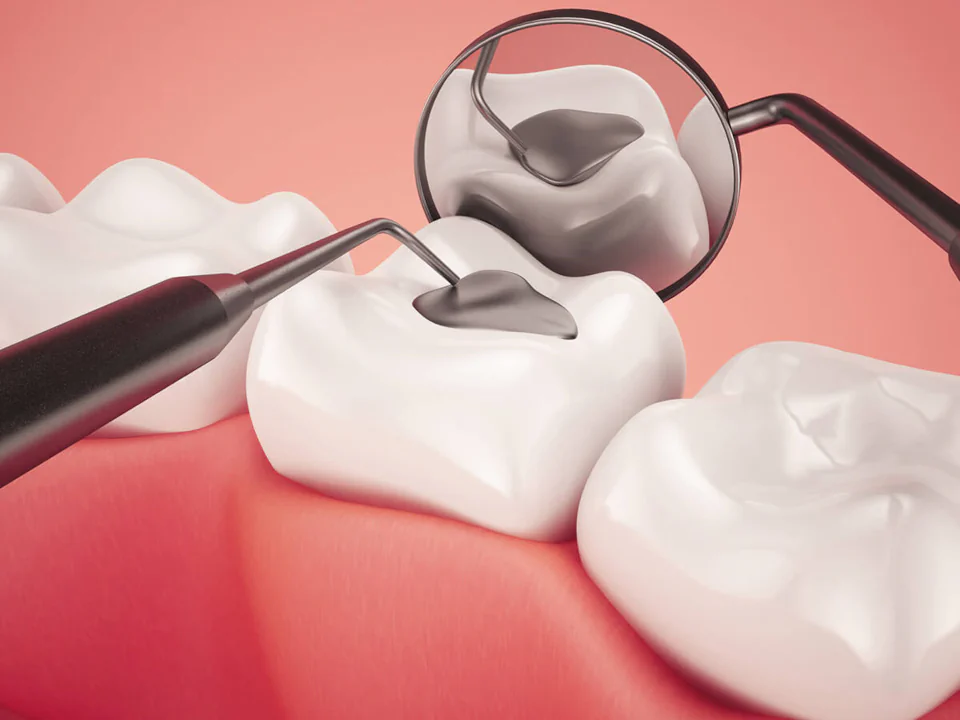
Fillings and sealants are simple, effective ways to safeguard your teeth from decay and restore their strength. Fillings are used to repair cavities by removing damaged tooth material and replacing it with a durable, tooth-colored material that blends naturally. Sealants are thin, protective coatings applied to the chewing surfaces of back teeth, where cavities often start. They act as a barrier against bacteria and food particles.
Both fillings and sealants help prevent further damage, reduce sensitivity, and keep your smile healthy, comfortable, and long-lasting for patients of all ages.
-
What is the cavity filling process?
Cavity fillings are a common, straightforward way to restore a tooth damaged by decay. During your visit, we gently numb the area, remove the affected portion, clean the area, and then place a durable filling material. This seals the tooth, prevents further damage, and restores its natural function and appearance. Most appointments are quick and comfortable, helping you return to your day with a healthier, stronger smile.
-
How long does a dental sealant last?
Dental sealants are a simple, protective coating placed on the chewing surfaces of back teeth to help prevent cavities. With ideal care, sealants can last several years (often 5 or 10) before needing a touch-up or replacement. Regular dental checkups allow our team to monitor your condition and ensure that your treatment remains effective. Brushing, flossing, and avoiding hard or sticky foods can help extend their lifespan and keep your smile bright and healthy.
-
What types of filling materials are available?
Modern dentistry offers several filling materials to restore teeth and protect your smile. Tooth-colored composite blends seamlessly with natural enamel and is popular for visible areas. Amalgam, a durable metal option, is often used for back teeth. Ceramic and porcelain fillings provide strength and aesthetics, while gold offers long-lasting performance. Your dentist will recommend the best option based on your needs, preferences, oral health, and budget.
-
Who is a good candidate for dental sealants?
Children, teens, and adults who are cavity prone are excellent candidates for dental sealants. These thin, protective coatings are applied to the chewing surfaces of molars to prevent bacteria and food particles from accumulating. Patients with deep grooves, a history of decay, or newly erupted permanent teeth benefit most.
Need More Information on Dental Fillings and Sealants?
If you have more questions about cavity fillings or dental sealants, or would like to make an appointment, use the links below to contact our team.